








Over time, we’ve gradually adopted healthier alternatives in our daily routines to improve our well-being and reduce our environmental footprint. We’ve made simple swaps like using reusable bottles, eating fresh meals, choosing natural products, and reducing screen time – small steps that have improved our health and lifestyle. These shifts weren’t overnight, but each step was intentional, rooted in a desire to live more consciously and healthily.

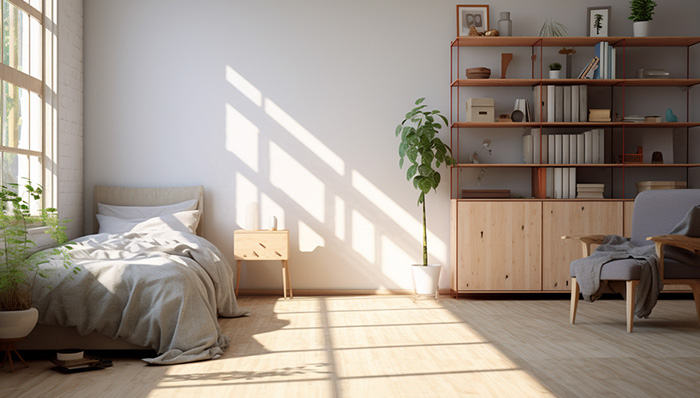
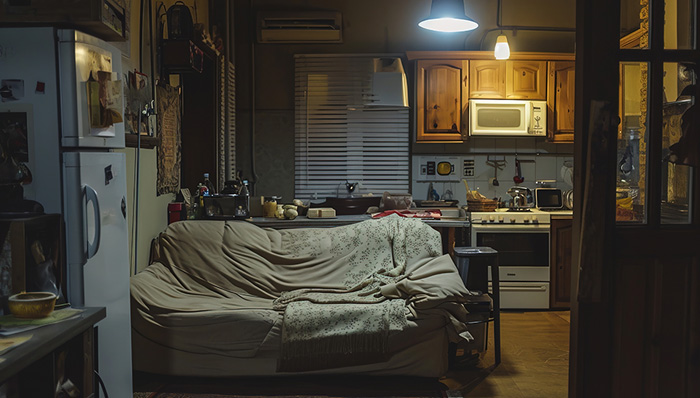
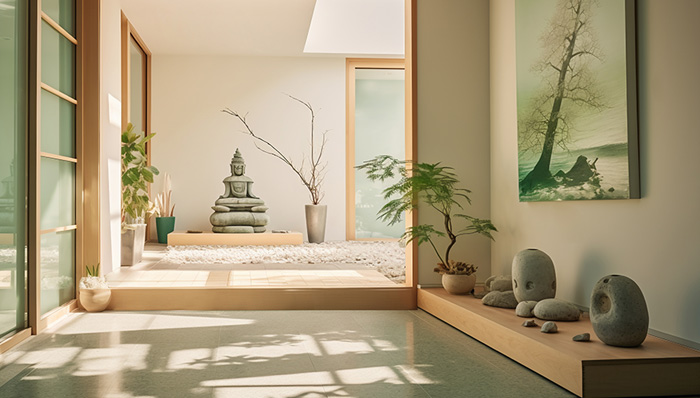

The building industry has contributed to many problems in the past, many of which are becoming more evident through the rise of modern health issues. The rise in these illnesses appears to coincide with the introduction of harmful plastics emitting pollutants in the atmosphere, synthetic glues and laminates, and overuse of electrical equipment.
Environmental medical professionals have linked exposure to modern building environments to conditions like Serotonin Irritability Syndrome (SIS), General Adaptation Syndrome (GAS), and chronic fatigue syndrome (CFS/ME). Many people experience allergic reactions such as migraines, asthma, eczema, and joint pain and, in severe cases, develop Multiple Chemical Sensitivity (MCS). For decades, architects, engineers, and builders have used chemical-based materials and systems now known – or suspected – to harm occupants’ health.
Toxic emissions, aerosols, radioactive particles, and electromagnetic fields have become embedded in our built spaces. These elements can silently accumulate in the body, triggering illness once a person’s tolerance is exceeded and leading to chronic disease when the immune system collapses.
Healing begins when a person understands the TRUE cause of their health issues and realizes that healthier building alternatives exist. Since human body is remarkably regenerative – and its cells renew throughout life, hence it is never too late to reverse the effect caused by unhealthy homes. This can be done by creating a cleaner, low-toxic environment, reducing electromagnetic exposure, nourishing your body with organic and natural nutrients, and staying connected to nature – Earthing. Over time, the body will rebuild itself, one cell at a time.
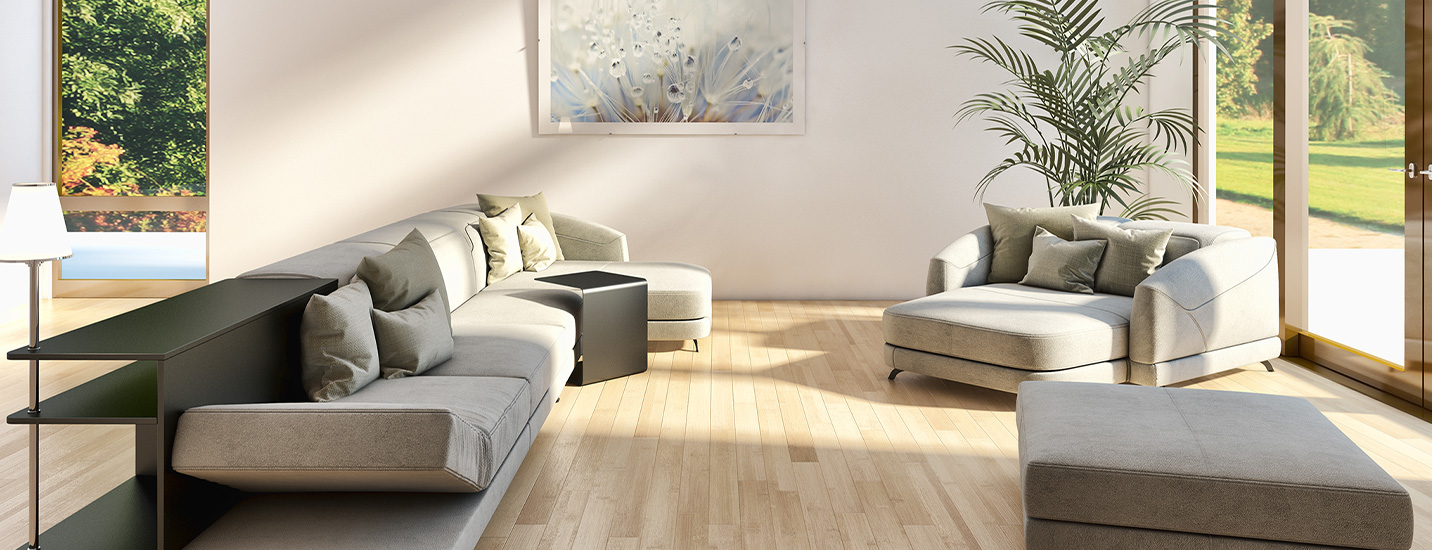
When we talk about a Healthy home, it is far from today’s homes that are packed with state-of-the-art gadgets to make our daily lives simple or beautiful textured or glossy materials adorning the walls or furniture—in fact, these are the culprits since they emit electromagnetic fields and pollutants in the atmosphere.
However a healthy house is designed like a living organism: – since it has life – PRANA , which is holistic and natural. It works with nature, not against it, prioritizing health, ecology, and simplicity over flashy design or tech savy homes. Such a home fosters wellbeing, spirituality, and harmony with the environment, expressing a deep connection with the natural world rather than just imitating its forms.
No matter how deeply scientists delve into nature, and no matter how subtle or sensitive their measurements, the nature of ‘being ‘ eludes them. As we examine the world of subatomic particles, boundaries merge and the universality of all matter and living things becomes evident .The hidden life vibrant in every atom and the hidden light shining in every creature is the paradigm of this age, so it would not be incorrect to say that at the subatomic level there are no boundaries between your hand and the table that it rests on. Each of them vibrating at a particular frequency and creating a resonance with each other. This resonance can be healthy and help to maintain the body and space equilibrium or can disrupt the body pattern and create a dissonance.
It would there not be incorrect to consider the Five Elements of nature- Air, Water, Fire, Earth and Ether, when analysis the health of the home or its co-relation to our own Health.

The concept of subtle energies, including things like orientation (the direction of spaces or elements) and intangible energies (such as chi, prana,), is rooted in various spiritual and traditional practices.

Ensuring spaces are oriented in ways that align with beneficial energies can promote good health, prosperity, and emotional well-being.
The effect of these energies on health is significant and influence physical, mental, and emotional well-being eg. The orientation of rooms, furniture, and even buildings can influence the flow of energy (chi, Prana ).

Poor placement or orientation can result in blocked or stagnant energy, leading to stress, anxiety, and physical discomfort.
While the idea of subtle energies is not universally accepted in mainstream science, there are studies suggesting that environmental factors—such as light, air quality, sound, and even spatial orientation—do influence mental and physical health. Many people find that being in well-arranged, aesthetically pleasing, and energetically positive spaces can lead to better emotional and physical well-being.



The spaces we live and work in can impact our health far more than we realize. From constant exposure to toxins in materials to invisible waves of electromagnetic radiation, our modern environments can quietly drain our well-being.
For example, very recently, a woman visited us who was suffering from hypersensitivity to electricity and unnatural light and was affected by it so much that even a light bulb or a nearby mobile phone triggered severe reactions.
That is where we at Indian Green are stepping in — to offer natural, healthy alternatives. We are redefining how we build and live by focusing on using non-toxic materials, nature-aligned design, and spaces that heal instead of harm.

We spend nearly 90% of our time indoors – in fact, we have become the INDOOR GENERATION – yet few of us consider how our homes, offices, and schools affect our health. The truth is that indoor spaces can either support or silently undermine our well-being. Poor ventilation, toxic materials, synthetic furnishings, electromagnetic radiation, and artificial lighting all play a role in indoor pollution, which is often more harmful than outdoor air.
We incorporate and furnish small shifts, such as using clay walls and lime plasters to regulate humidity, proper cross-ventilation, and real daylight, that create dramatic improvements in health. At Indian Green, we believe every space should support the natural rhythms of life. We aim to help people reclaim their homes and workplaces as places of healing, harmony, and vitality.
As we move towards more and more advancement in every aspect of life, the focus shifts from just structural strength to human well-being in construction, too. At the center of this shift lies a powerful thought: building materials shouldn’t just support buildings — they should support life.
Traditional construction often includes synthetic, chemical-based materials that release harmful toxins into our living spaces. These “invisible hazards” have been linked to allergies, respiratory issues, and even long-term chronic illnesses. The solution? Innovative, health-conscious design and systems that prioritize both performance and people.
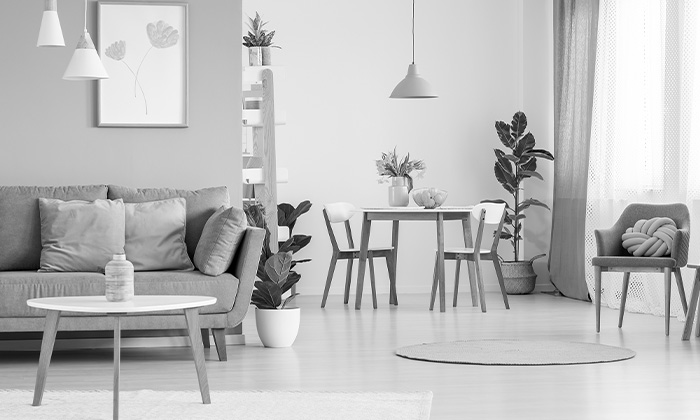
Bio Architecture is an architecture design system that ignites life rather than extinguishes. Buildings that generate golden section fractal charge fields encourage life and positive DNA resonance. The golden section geometry derived in Bio-Architecture becomes frozen music resonating a harmonic tune thus the building literally both sounds and feels happy. Pure bio architecture elements will also be positioned around traditional Indian Architecture discipline and be crafted from natural and healthy materials.
Bio Architecture incorporates Bionic architecture following true science of

Shape Energy

Material Energy

Earth Energy

This is an evaluation tool for the individuals who will be using the habitat. This looks at personal preferences around sound, light, heat, and social company, as well as other factors like biological clock, dietary preferences, and health and temperament.

Energetic Plot Profile is an evaluation tool that measures all the energetic factors that influence the plot through a structured set of questions, further reinforced by energetic readings and measurements.
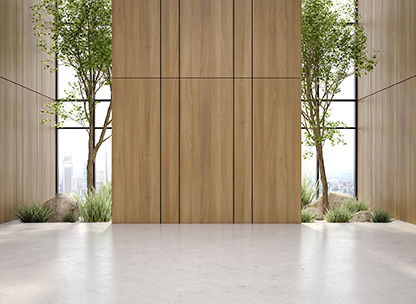
Reconnecting occupants with nature by using living walls, indoor plants, and nature-inspired textures has proved to reduce stress and improve mental and physical wellbeing by scientist all over the world
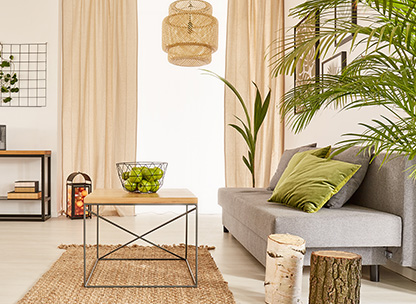
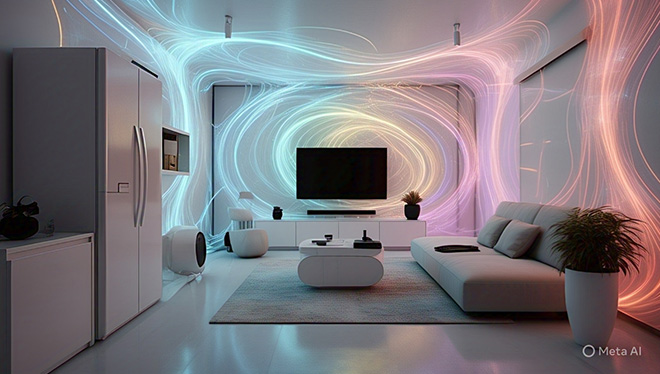
Designing spaces that reduce electromagnetic exposure from Wi-Fi, appliances, and smart devices while optimizing natural energy flow.
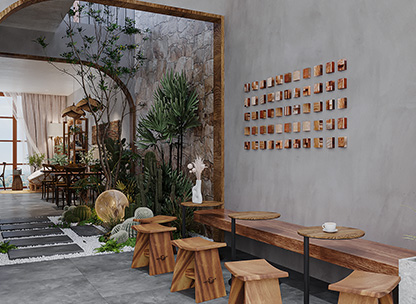
Innovative plasters and wall coatings infused with minerals that neutralize indoor pollutants.Innovative plasters and wall coatings infused with minerals that neutralize indoor pollutants.
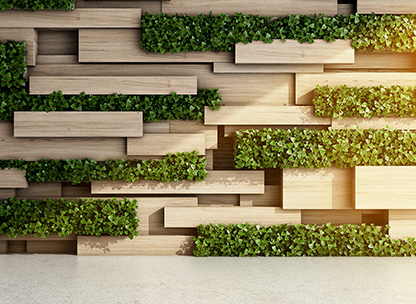
Activating Spaces to provide comfort and improve the home’s health.

Replacing synthetic paints, sealants, and adhesives with natural alternatives like clay, lime, and plant-based resins that purify rather than pollute indoor air.

Healthy materials are often more durable and sturdier and lesser prone to environmental damage, and hence reducing the need for frequent replacements — a win for sustainability and cost-effectiveness.

We are introducing materials like bamboo, hempcrete, rammed earth, and recycled wood that are not only eco-friendly but also promote thermal comfort and air quality.

Many healthy materials are locally sourced, supporting regional economy and also reducing transportation.
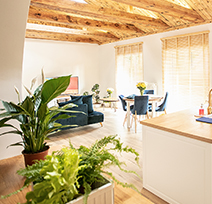
Natural materials like bamboo, adobe, lime, and recycled wood are renewable, biodegradable, and require less energy to produce — reducing the building’s carbon footprint.

Sustainable, healthy materials often fit into circular design models — they can be reused, recycled, or reintegrated into nature without harm.
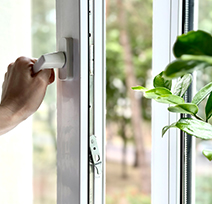
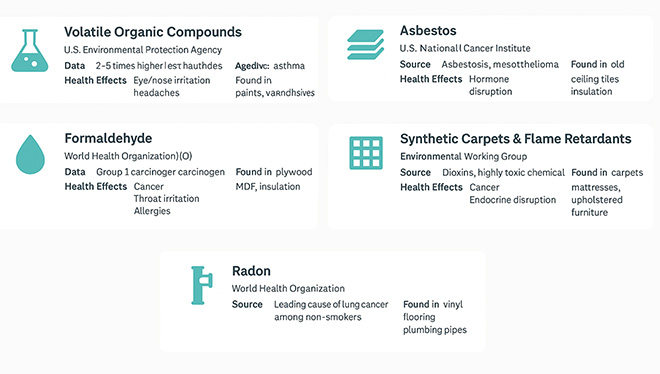
Using materials free from volatile organic compounds (VOCs) and formaldehyde ensures cleaner indoor air, reducing health risks and the energy needed for artificial ventilation.
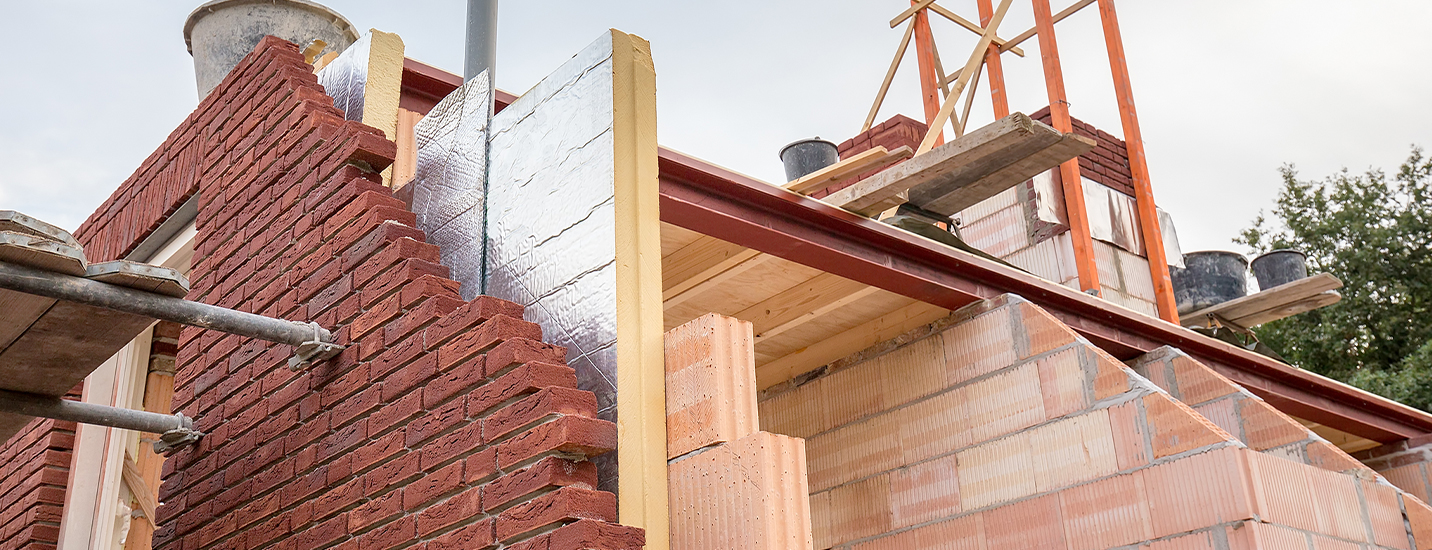

Data analysis of people suffering from health issues due to wrong designs

Indoor air can be up to 5x more polluted than outdoor air – but natural materials like lime, clay, bamboo, and non-toxic finishes drastically reduce airborne toxins.

Studies show a 30% improvement in sleep quality, stress reduction, and mood in toxin-free living spaces.

Families living in healthy homes experience 40% fewer respiratory and allergy-related issues, especially in children and the elderly.

Materials like rammed earth and natural wood regulate humidity and temperature – keeping homes naturally comfortable, year-round.
Choosing healthy designs isn’t just a building decision — it’s a lifestyle upgrade. You’re creating a space that supports your physical health, emotional balance, and peace of mind. A space where you can breathe deeply, think clearly, and rest fully.
Because when your home feels alive — so do you.


